English
 español
 العربية

قد يطرح الكثيرون سؤالاً يبدو بسيطاً: لماذا يمكن لـ مكيف هواء هل يبرد الجهاز بمجرد توصيله بمصدر الطاقة؟ وماذا حدث داخل أنبوب النحاس؟
يكمن الحل في دوران المُبرِّد. فالنقطة الأساسية للتبريد ليست الهواء البارد بحد ذاته، بل التدفق المستمر، وتحول الطور، وعملية نقل الطاقة للمُبرِّد داخل الأنابيب النحاسية.
أولاً: لا يُستخدم مكيف الهواء "لخلق البرودة" بل "لنقل الحرارة".
إليكم مفهومًا خاطئًا شائعًا للتوضيح: أساس عمل مكيف الهواء ليس التبريد، بل إزالة الحرارة من الداخل إلى الخارج. بينما يُمثّل غاز التبريد المتدفق داخل الأنبوب النحاسي "ناقل" الحرارة، فإن الأنبوب ليس سوى وعاء، أما ما يُساهم فعليًا في عملية التبريد فهو امتصاص غاز التبريد للطاقة وإطلاقها في حالاته المختلفة.
ثانياً: لماذا تُعد أنابيب "النحاس" ضرورية بالضرورة؟
إن اختيارها كمادة لأنابيب نظام التبريد يستفيد من مزاياها الثلاث التالية:
موصلية حرارية جيدة: فهو يساهم في التبادل الحراري بين المبرد والهواء.
مقاومة درجات الحرارة العالية والتآكل: فهو يتكيف مع التبادل المتكرر للمبرد في ظروف الضغط العالي والمنخفض.
إمكانية إعادة المعالجة العالية مع إحكام موثوق به: يسهل لحامها وثنيها، مما يقلل من خطر التسرب.
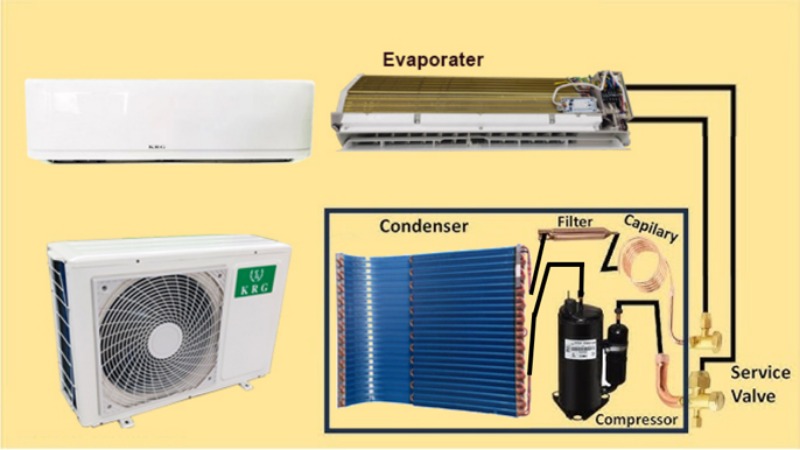
ثالثًا: دورة التبريد في الأنابيب النحاسية على أربع مراحل
1. الضغط: تحويل الغاز ذي الضغط المنخفض إلى غاز ذي ضغط ودرجة حرارة عاليتين
في حالة انخفاض الضغط ودرجة الحرارة، يسحب الضاغط غاز التبريد؛ وبعد ضغطه، يرتفع ضغطه ودرجة حرارته. في هذه الحالة، تكون درجة حرارة غاز التبريد أعلى بكثير من درجة الحرارة خارج الغرفة.
2. التكثيف: إطلاق الحرارة إلى الخارج، وتحويل المبرد من غاز إلى سائل
يدخل المبرد ذو الضغط العالي ودرجة الحرارة العالية (في الحالة الغازية) إلى المكثف (أنبوب نحاسي + زعانف)، ويتحول من الحالة الغازية إلى الحالة السائلة ويطلق الحرارة إلى الهواء الخارجي من خلال الأنابيب النحاسية.
النقطة الأساسية هنا هي أن عملية التحول من الغاز إلى السائل ستطلق كمية كبيرة من الحرارة.
3. الخنق: انخفاض مفاجئ في الضغط، استعدادًا لامتصاص الحرارة
عند تكثيفه، يصبح المبرد عالي الضغط ومتوسط الحرارة ولكنه في حالة سائلة.
بعد المرور عبر جزء صغير (أنبوب شعري أو صمام تمدد إلكتروني)، ينخفض ضغط المبرد فجأة، ومع انخفاض درجة الحرارة، يصبح حالة منخفضة الحرارة والضغط مختلطة بالغاز والسائل.
4. التبخر: امتصاص الحرارة في الداخل، مما يخلق "تبريدًا".
يدخل غاز التبريد ذو الضغط المنخفض ودرجة الحرارة المنخفضة إلى المبخر (أنبوب نحاسي + زعانف). في هذه المرحلة، تكون درجة الحرارة الداخلية أعلى من درجة حرارة غاز التبريد، الذي يمتص الحرارة من غاز التبريد عبر الأنابيب النحاسية ويتحول من الحالة السائلة إلى الحالة الغازية.
التبخر هو عملية امتصاص الحرارة، ولهذا السبب تم تبريد الهواء الداخلي.
رابعاً: لماذا يعتبر التحول الطوري مهماً جداً بالنسبة للمبرد؟
إذا كان المبرد يستخدم سائلاً أو غازاً عادياً، فإن كفاءة التبريد ستكون منخفضة للغاية.
يُعد امتصاص أو إطلاق كمية كبيرة من الحرارة الكامنة أثناء التحول الطوري أهم ميزة للمبرد. فمع نفس فرق درجة الحرارة، ينقل حرارة أكبر من المواد العادية.
ولهذا السبب، من خلال التدفق ذهابًا وإيابًا في أنبوب النحاس، يمكن لكمية قليلة من مادة التبريد أن تبرد وتدفئ الغرفة بأكملها.
خامساً: تعتمد كفاءة التبادل الحراري بشكل كبير على تصميم النحاس
إن قدرة مادة التبريد على العمل بكفاءة لا تعتمد على نفسها فحسب، بل تعتمد أيضاً على ما يلي:
حجم أنبوب النحاس معقول؛
طول الأنابيب مناسب؛
هيكل الزعانف والمسافة بين الأنابيب؛
السطح الداخلي لأنبوب النحاس نظيف وخالٍ من الزيت؛
ستؤثر هذه التفاصيل بشكل مباشر على سرعة التبريد، ومعامل الأداء/نسبة كفاءة الطاقة، والاستقرار النظامي، والعمر الافتراضي.


حقوق النشر
@ 2026 قوانغتشو SOUXIN الأجهزة المحدودة جميع الحقوق محفوظة
.
 الشبكة المدعومة
خريطة الموقع / المدونة / Xml / سياسة الخصوصية

Hi! Click one of our members below to chat on